


Compact Pneumatic Components in Modern Machine Design
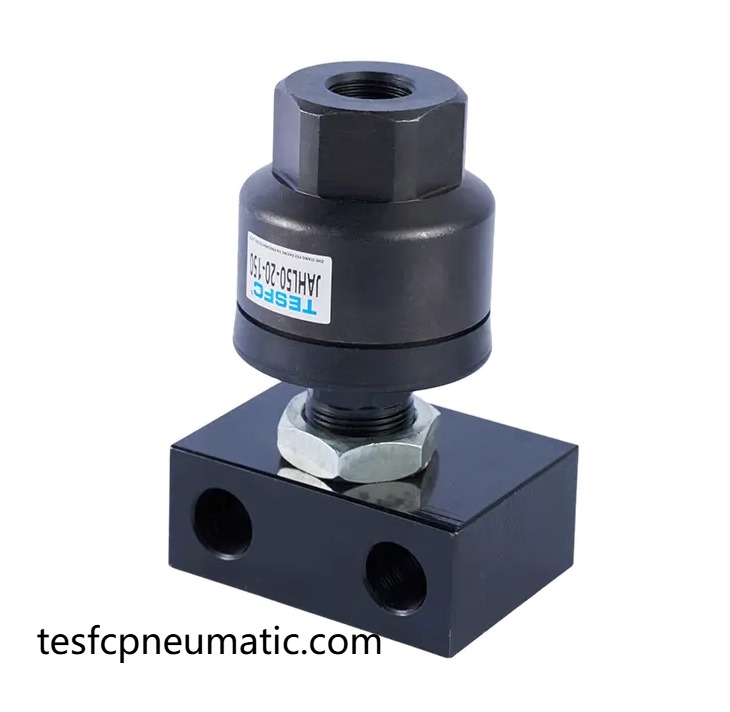
In equipment design, every component has to earn its place, especially when a machine contains closely arranged mechanisms and limited installation space. A Thin Air Cylinder can provide linear movement in a compact assembly, helping designers position actuation near the working area without building an unnecessarily bulky structure around it. Its value is not limited to saving space: a thoughtful choice can also influence how the machine is assembled, accessed, and maintained throughout its working life.
Materials form the foundation of a cylinder’s durability and suitability. The body provides the structure that contains the moving parts, while the piston rod transfers motion to the mechanism outside the cylinder. Internal seals help keep compressed air within the intended chambers and support controlled movement. These parts work together, so material selection should be viewed as a system decision rather than a matter of choosing a single strong component.
Aluminum is commonly used in pneumatic cylinder construction because it is lightweight and practical to machine into functional shapes. Other materials may be appropriate when the working environment places different demands on the component. For example, equipment exposed to moisture, cleaning routines, dust, or contact with surrounding materials may require additional consideration of surface condition and corrosion resistance. The material should match the machine’s actual environment, not simply its appearance in a product photograph.
Seals and contact surfaces are equally important. A seal that works well in one application may not be the best choice for another if the environment, air quality, or operating conditions differ. Buyers can make a more informed decision by describing the application clearly and asking how the cylinder’s construction suits its intended use. This practical discussion can help avoid choosing a component based only on its compact shape.
The selection process should begin with the movement required. A cylinder may be used to position a component, clamp a workpiece, push an item into place, or release a part from a fixture. Each task creates different demands on the actuator and the mechanism around it. Buyers should consider the load’s direction, how the load is supported, and whether the cylinder is expected to move freely or work against resistance. These details provide a more useful starting point than choosing a cylinder solely because it fits the available space.
Mounting and connection arrangements also deserve attention. A compact cylinder can be difficult to integrate if its air ports, fasteners, or rod movement interfere with neighboring components. Reviewing the installation area in advance helps designers account for tubing routes, valve placement, sensor access, and the space needed for service. The actuator should fit into the complete assembly, not just into an isolated opening on a drawing.
A pneumatic cylinder transforms compressed air into mechanical motion. Air entering a chamber acts on the piston, which moves and transfers motion through the piston rod. Valves direct the airflow, while fittings and tubing connect the actuator to the pneumatic circuit. In a thin design, the compact body can help place this movement closer to the machine surface or working fixture. That arrangement may simplify the mechanical layout when a taller actuator would create interference or require additional supporting structures.
The performance of the actuator depends on more than its internal construction. Air quality, secure connections, suitable flow control, and the design of the moving mechanism all influence the behavior of the complete system. If the load is poorly aligned, side forces may affect the rod and internal contact surfaces. Where the application requires guided travel, external guides or a suitable support arrangement may help keep the movement aligned. Designers should consider how the actuator and its load interact throughout the entire motion path.
For operators and maintenance teams, the benefits of a compact installation become clear during daily use. A well-organized machine can make it easier to identify components, inspect connections, and reach areas that require attention. When a cylinder is placed thoughtfully, maintenance staff may be able to examine it without removing unrelated equipment. Clear tubing routes and accessible mounting points can also make routine troubleshooting less complicated.
Consistent motion is another part of the user experience. Hesitation, unexpected impact, or irregular movement can disrupt a machine sequence and make operation less predictable. Checking the air supply, fittings, seals, and surrounding mechanism as part of planned maintenance can help identify issues before they interrupt production. Maintenance practices should reflect the equipment’s working conditions and the guidance provided for the component.
The exterior design of a thin cylinder contributes to the overall organization of a machine. A compact body can sit neatly within a fixture or alongside other components, helping reduce visual clutter. Coordinated mounting, sensible port orientation, and clear separation between moving and stationary parts can make the assembly easier to understand. This is useful not only during initial installation but also when technicians need to trace a motion sequence or inspect a mechanism.
Zhejiang Feishengya Pneumatic Components Co., Ltd. supplies pneumatic components, including air cylinders, valves, and fittings, for equipment builders considering how actuation fits into a broader system. When selecting a cylinder, buyers can review the application, installation environment, and integration needs together rather than treating the actuator as a standalone item. Product information and company details are available at https://www.tesfcpneumatic.com/ for those exploring pneumatic solutions for their machinery.
 Turkish
 English
 Arabic
 French
 Spanish
 Portuguese
 Deutsch
 Dutch
 Italiano
 Russian
 Romaian
 Portuguese (Brazil)
 Greek